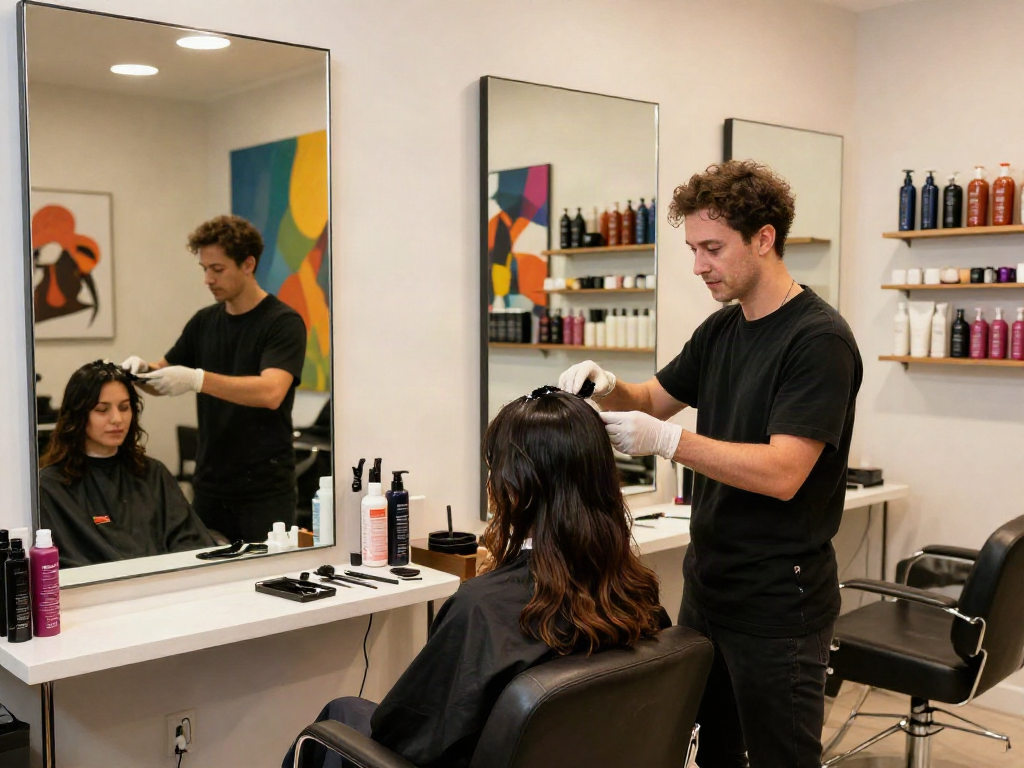
Understanding Hair Types and Needs
Every individual's hair is unique, requiring tailored care and styling techniques to achieve optimal health and beauty. Understanding your hair type is the first step in creating a personalized hair care routine that not only addresses your specific needs but also enhances your natural beauty. When exploring options, https://carbonegroupparrucchieri.it/ provides comprehensive insights into the different hair types and how best to care for them.
How to Identify Your Hair Type?
Identifying your hair type involves examining a few key characteristics, including texture, density, and porosity. Hair is generally categorized into four main types:
- Type 1 (Straight): This hair type has no curl and tends to be shiny due to sebum distribution. It is usually the easiest to manage.
- Type 2 (Wavy): Wavy hair has a loose, S-shaped pattern. It may require more moisture to prevent frizz.
- Type 3 (Curly): Curly hair forms distinct ringlets. It is often dry and needs hydration to prevent breakage.
- Type 4 (Coily): This type features tight curls or zigzag patterns. It is the most fragile and requires significant moisture and care.
To determine your hair type, wash your hair, let it air dry without using any styling products, and observe its natural characteristics.
Common Hair Issues and Solutions
Many individuals face common hair problems such as dryness, frizz, hair loss, or dandruff. Solutions usually involve targeted products and treatments:
- Dryness: Incorporate moisturizing shampoos and conditioners, and consider regular deep conditioning treatments.
- Frizz: Use anti-frizz serums and avoid products with alcohol. Embrace natural oils like argan or coconut oil.
- Hair Loss: Consult a professional for advice on dietary adjustments, supplements, and suitable products like biotin shampoos.
- Dandruff: Use anti-dandruff shampoos containing zinc pyrithione or ketoconazole to treat this common issue.
Personalized Hair Care Routines for Different Textures
Once you have identified your hair type, you can create a customized hair care routine. Here are a few recommendations for various textures:
- Straight Hair: Focus on lightweight products like volumizing shampoos and lightweight leave-in conditioners.
- Wavy Hair: Utilize sea salt sprays for texture and moisture-rich creams to define waves.
- Curly Hair: Embrace curl-enhancing gels and creams, and incorporate regular moisturizing treatments.
- Coily Hair: Prioritize hydration with rich creams and oils, along with techniques like the LOC (Liquid, Oil, Cream) method.
Essential Techniques for Hair Color Application
Coloring your hair can dramatically change your look, yet achieving the desired results requires knowledge and skill. Knowing the fundamentals of hair color application can help you avoid common pitfalls and achieve stunning results.
Choosing the Right Hair Color for Your Skin Tone
One of the most critical steps in the hair coloring process is selecting a color that complements your skin tone. Generally, there are three skin tone categories:
- Cool Undertones: Opt for ash blondes, cool browns, and jewel-toned shades like burgundy or violet.
- Warm Undertones: Embrace golden blondes, warm browns, and rich caramel shades.
- Neutral Undertones: Almost any hair color works, but be careful to choose shades that maintain balance with your overall appearance.
Step-by-Step Guide to Coloring Hair at Home
Coloring your hair at home can be a cost-effective way to refresh your look. Follow this step-by-step guide:
- Choose your color: Select a dye that matches your desired shade and compliments your skin tone.
- Prepare your workspace: Cover surfaces, wear an old shirt, and gather all necessary tools (brush, gloves, bowl, etc.).
- Conduct a patch test: Always perform a patch test 48 hours before coloring to avoid allergic reactions.
- Follow instructions: Mix the hair dye as per the manufacturer's instructions, then section your hair and apply it evenly.
- Monitor the time: Keep track of the processing time, then rinse and condition your hair thoroughly.
Common Mistakes to Avoid During Hair Coloring
Avoid these common pitfalls to achieve the best results:
- Skipping the strand test: Always test a small section of hair to see how the dye reacts.
- Overlapping color: When applying root touch-ups, avoid overlapping color to prevent damage.
- Neglecting aftercare: Ensure to use color-safe shampoos and conditioners post-coloring to maintain vibrancy.
Maintaining Healthy Hair Post-Coloring
Once you've colored your hair, maintaining its health requires consistent care and using the right products specifically for color-treated hair.
Best Products for Color-Treated Hair
Invest in high-quality products that nourish and protect your hair:
- Color-safe shampoos and conditioners: Choose sulfate-free formulas to prevent color fading.
- Leave-in conditioners: These help keep hair moisturized and can prevent damage and dryness.
- Hair masks: Use weekly to restore moisture and shine.
DIY Treatments for Revitalizing Colored Hair
Consider these DIY treatments to rejuvenate your color-treated hair:
- Coconut Oil Treatment: Apply warm coconut oil to your hair, leave it on for at least 30 minutes, and then wash out for added moisture.
- Avocado Mask: Blend one ripe avocado with a tablespoon of olive oil and apply for deep conditioning.
- Honey and Olive Oil: Mix equal parts honey and olive oil for a hydrating treatment.
Importance of Regular Salon Visits for Hair Maintenance
Regular salon visits are crucial for maintaining hair color and health. Professional stylists can provide:
- Root touch-ups
- Color correction
- Moisture treatments
- Expert advice tailored to your specific hair needs
Exploring Current Hair Trends for 2026
As we step into 2026, it's essential to keep an eye on the latest hair trends that can elevate your style. This year promises exciting innovations in color, cuts, and overall hair styling.
Top Color Trends You Need to Know This Year
This year, several color trends are making waves:
- Pastel Hues: Soft colors like lavender, mint green, and peach are all the rage.
- Warm Balayage: A return to sun-kissed, natural looks with warm highlights.
- Bold Contrasts: Combining bright colors like electric blue with deep black for a striking effect.
Innovative Hairstyles Making Waves in 2026
In addition to color, hairstyles are evolving. Here are a few to watch:
- Textured Bobs: Bob cuts with soft waves or curls create a modern edge.
- Shaggy Layers: This layered look adds volume and movement, ideal for various hair types.
- Half-Up Styles: Creative half-up, half-down hairstyles continue to gain popularity.
How Social Media Influences Hair Fashion?
Social media platforms like Instagram and TikTok have revolutionized how hair trends spread. Influencers and stylists showcase their work, inspiring followers to experiment with new looks. Whether through viral hair challenges or tutorial videos, these platforms create instant trends that often see significant uptake in salons worldwide. Keeping an eye on social media can help you stay ahead in the hair fashion game.
Professional Tips from Leading Stylists
Learning from industry leaders can provide valuable insights into achieving and maintaining fabulous hair. Here are some expert tips:
Expert Recommendations for Choosing a Salon
Selecting the right salon is essential for a positive hair experience. Look for salons known for:
- Reviews and testimonials from clients
- Specialization in coloring or cuts according to your needs
- Hygiene and professionalism of staff
How to Communicate Effectively with Your Hairstylist?
To ensure you get the results you desire, clearly articulate what you're looking for. Provide examples and be honest about your hair history, including any past treatments. This transparency allows your stylist to create a plan that aligns with your vision.
Future of Hair Innovations in the Beauty Industry
The beauty industry continuously evolves, introducing advanced hair care technologies. Look forward to:
- Smart Hair Tools: Tools featuring temperature control technology for better styling.
- Personalized Hair Products: Custom formulations based on individual hair diagnostics.
- Biotechnological Enhancements: Innovative ingredients that improve hair texture and health.
What are the best practices for hair care?
Consistency is key in hair care. Use the right products suited for your hair type, avoid excessive heat styling, and make regular trims to manage split ends.
How often should I color my hair?
Generally, it is advisable to wait 6-8 weeks between coloring to allow hair to recover and prevent damage.
What are the latest trends in hair styling?
As highlighted, textured bobs and pastel shades are trending this year, along with various updos for casual and formal occasions.
How can I keep my hair healthy after coloring?
Use color-safe products, nourish with regular hair masks, and avoid over-washing your hair to preserve color and health.
What should I look for in a hairstylist?
Look for a stylist who listens to your needs, has verified experience with your desired styles, and maintains an updated portfolio showcasing their work.