
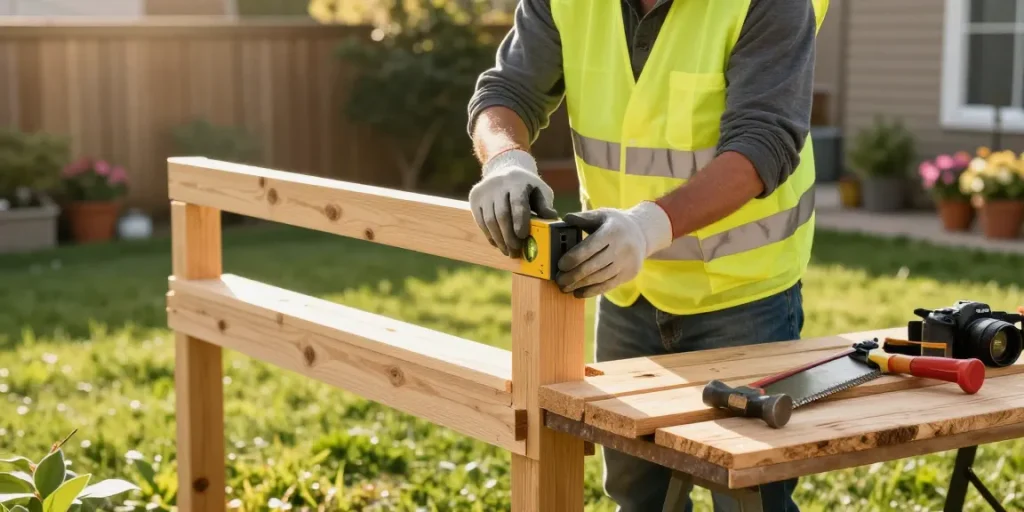

Understanding Fence Needs
Fences are an essential aspect of any property, serving not only aesthetic purposes but also functional ones such as security, privacy, and boundary demarcation. When considering your fencing options, whether for installation or repair, understanding your specific needs is crucial. We fix fences and build fences to meet these various demands, ensuring that your property remains well-protected and visually appealing.
Why We Fix Fences and Build Fences
Fences often represent the first line of defense for your home or business. Over time, they can suffer from natural wear and tear, weather damage, or even accidental impacts from vehicles or falling branches. Fixing and building fences is not merely about aesthetics; it is about maintaining safety and security. A well-constructed fence can deter trespassers, provide privacy, and even enhance the value of your property. Understanding the reasons behind a sturdy fence informs homeowners and property managers about the importance of timely repairs and installations.
Common Types of Fences for Your Property
- Wood Fences: Known for their classic appeal, they offer great privacy but require regular maintenance.
- Vinyl Fences: Durable and low-maintenance, vinyl fences come in various styles but can be more costly upfront.
- Chain-Link Fences: Economical and practical, they provide visibility and security but less privacy.
- Composite Fences: Made from a mix of wood and plastic, they are resistant to rot and offer aesthetic versatility.
- Aluminum Fences: These provide durability and a sleek look, ideal for decorative purposes without sacrificing security.
Identifying Signs of Fence Damage
Recognizing when a fence requires repair is essential to maintaining its functionality. Look for the following signs:
- Visible cracks or splinters in wood.
- Loose or missing boards in vinyl fences.
- Rust on metal fences.
- Leaning or unstable fence posts.
- Signs of rot or decay in wooden parts.
Choosing the Right Materials
Wood vs. Vinyl: Which is Best for Your Fence?
Choosing the right material for your fence depends on various factors, including environmental conditions, budget, and maintenance willingness. Wood offers a classic, natural look that many homeowners prefer. However, it requires regular staining and sealing to prevent rot and insect damage. Vinyl, while initially more expensive, offers a low-maintenance solution that withstands weather conditions without the need for frequent repairs or replacements.
Durable Fencing Options for Various Climates
In areas with harsh weather, selecting the right materials is paramount. For regions with heavy rainfall, composite or vinyl fences can provide superior durability against moisture compared to wood. In contrast, aluminum fences might be more appropriate for coastal areas where salt corrosion is a concern. Always evaluate the local climate when deciding on materials.
Cost Considerations for Fencing Materials
The cost of fence construction varies significantly depending on the chosen materials and the extent of the project. On average, wood fences can range from $15 to $30 per linear foot, while vinyl can cost between $25 and $60 per linear foot. It’s vital to conduct a cost analysis based on your budget and the lifespan of the materials you choose.
The Fence Construction Process
Step-by-Step Guide to Building a Fence
Building a fence involves several steps that ensure the final product is sturdy and meets your needs. Follow these steps for a successful installation:
- Planning: Determine the purpose and location of your fence.
- Obtaining Permits: Check local regulations and obtain necessary permits.
- Measuring and Marking: Measure the area and mark the corners using stakes and strings.
- Post Installation: Dig holes for posts, set them in concrete, and ensure they are plumb.
- Panel Installation: Attach panels or boards to the posts securely.
- Finishing Touches: Clean up the site, and apply stains or seals to enhance longevity.
Tools and Equipment Needed for Fence Installation
A successful fence installation requires proper tools to ensure quality results. Essential tools include:
- Post hole digger or auger
- Level
- Tape measure
- Hammer or nail gun
- Power drill
- Concrete mix (if setting posts)
Permits and Regulations for Fence Construction
Before embarking on your fence project, familiarize yourself with local regulations and zoning laws. Some areas have specific height restrictions or guidelines on material usage. Always check with your municipality to ensure compliance and avoid potential fines.
DIY vs. Professional Fence Repair
When to Fix Fences Yourself
Minor repairs such as fixing a few boards, mending small holes, or re-staining can often be handled by homeowners. Assess your skills and comfort level with tools before deciding to undertake a DIY project. Simple repairs can save you money and extend the life of your fence.
Benefits of Hiring Professional Fence Builders
While DIY can be appealing, hiring professionals ensures that the job is done correctly and efficiently. Professionals bring expertise, experience, and access to quality materials that may not be available to the average homeowner. Moreover, they can navigate complex repairs that might arise unexpectedly.
Evaluating Costs: DIY vs. Professional Services
When considering whether to tackle fence repairs yourself or hire professionals, weigh the cost of materials and your time against the potential quality of work. DIY projects can be cost-effective for simple tasks, but larger repairs may require professional intervention to prevent further damage.
Maintenance Tips for Longevity
Regular Inspection and Maintenance Practices
To prolong the lifespan of your fence, regular inspections are vital. Look for signs of wear and tear during seasonal changes, and address any issues immediately. This proactive approach can save you significant costs in repairs down the line.
How to Maintain Different Fence Materials
Each material requires specific maintenance techniques:
- Wood: Regularly check for rotting, and apply stains or sealants annually.
- Vinyl: Clean with soap and water to prevent the build-up of dirt and grime.
- Metal: Inspect for rust and sand down any affected areas before painting.
Future Trends in Fence Building and Repair for 2026
The fencing industry is evolving, with sustainable materials and smart technology becoming increasingly popular. Innovations such as solar-powered lighting integrated into fences and the use of recycled materials for construction are setting the stage for eco-friendly fencing solutions.
What are common fence maintenance misconceptions?
One common misconception is that wood fences need to be replaced entirely when they develop rot. Often, only the affected boards can be replaced, saving both time and money. Similarly, many believe that vinyl fences are completely maintenance-free, but regular cleaning is crucial for their aesthetic appeal.
How often should I inspect my fence for damage?
Inspections should ideally occur at least once a season, with more frequent checks during severe weather conditions. This will allow homeowners to address minor issues before they escalate into more significant problems.
What are signs that I need to replace my fence?
Indicators for replacement include widespread rot, a leaning structure, or major sections of the fence being missing. If the repair costs are significantly higher than replacement, it may be more cost-effective to install a new fence.
How do weather conditions affect fence materials?
Weather plays a crucial role in the longevity of fencing materials. Heavy rain can lead to rot in wood, while extreme heat can warp vinyl. Understanding how different climates affect fence materials can help inform your choices.
What tools are essential for DIY fence repairs?
Essential tools for DIY fence repairs include a saw for cutting, pliers for tightening fasteners, and a measuring tape to ensure accuracy. Additionally, having safety gear like gloves and goggles is vital to protect yourself while working.